Wayfinding and Environmental Design
We work with you to co-create spaces that encourage and strengthen the hospital experience. We collaborate with clinicians, hospital board members, donors, patients and caregivers to ensure the patient experience is excellent while supporting the clinical team to address medical needs.
We offer design blueprints to improve a particular patient population such as consulting on the commissioning of public art; recommending art programs that will enliven those with mental health illnesses or dementia diseases. We are committed to understanding your organization as thoroughly as possible and to express your values and practices in all we do.
We manage and coordinate all aspects of Public Art Commissions and Collections Management.
Let us help you find the right design solution for your hospital.
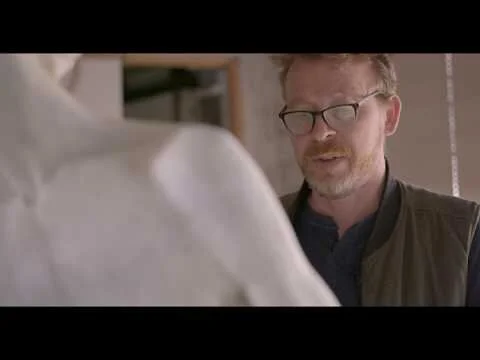
Windward Calm (Teaser)
This short film illustrates a project, Windward Calm, that is installed in the atrium of the Gordon nad Leslie Daimond Health Care Centre at VGH.
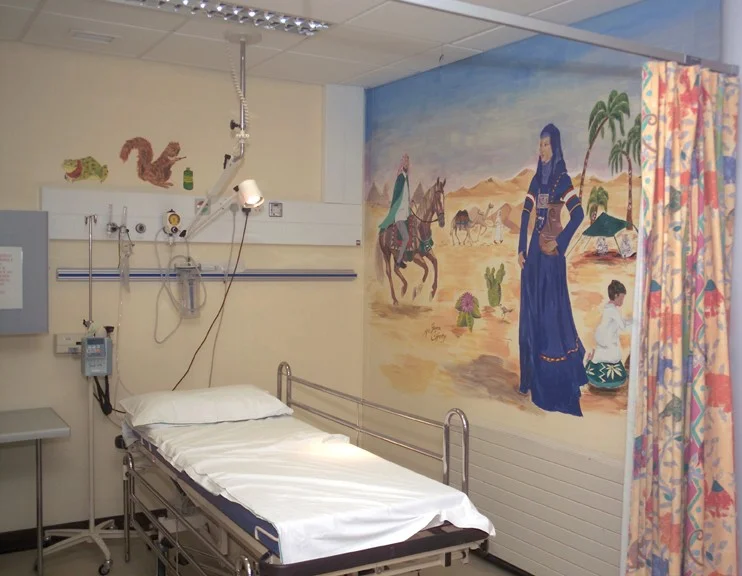
Pediatric Emergency Treatment Room
This mural is the focal point for this pediatric emergency room. With the collaboration of the clinical team, we commissioned an artist to create a mural that would distract the young patient from their treatments - injections, blood taking, and the anxiety that increases with the wait. The mural also helped the parents to find their child's treatment room as there a unique theme and showcased mural behind each curtain.
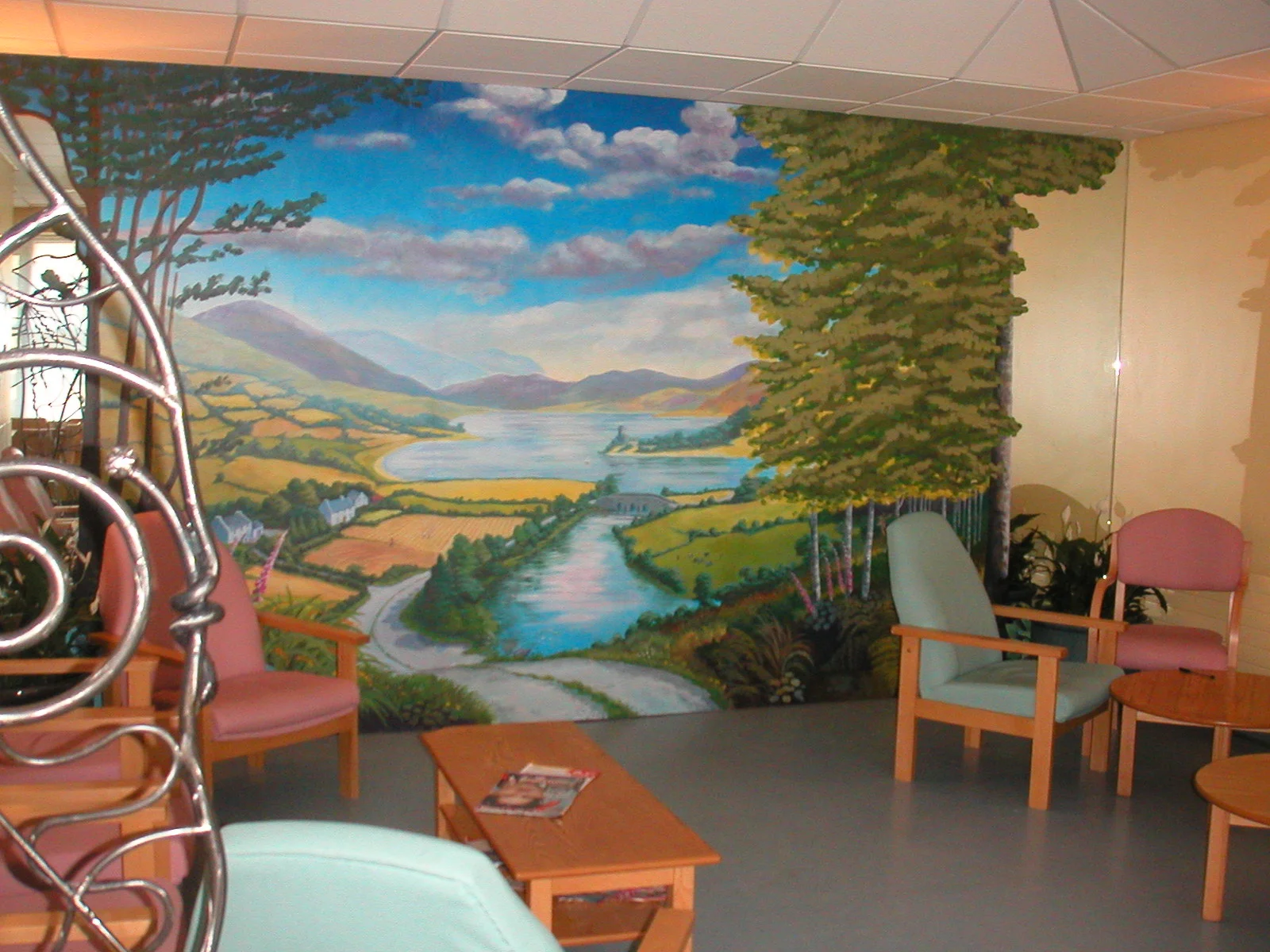
Neurology waiting room
This space offered natural light but no outdoor scene. Research shows that the presence of a mural depicting a natural environment can be calming for families and patients.
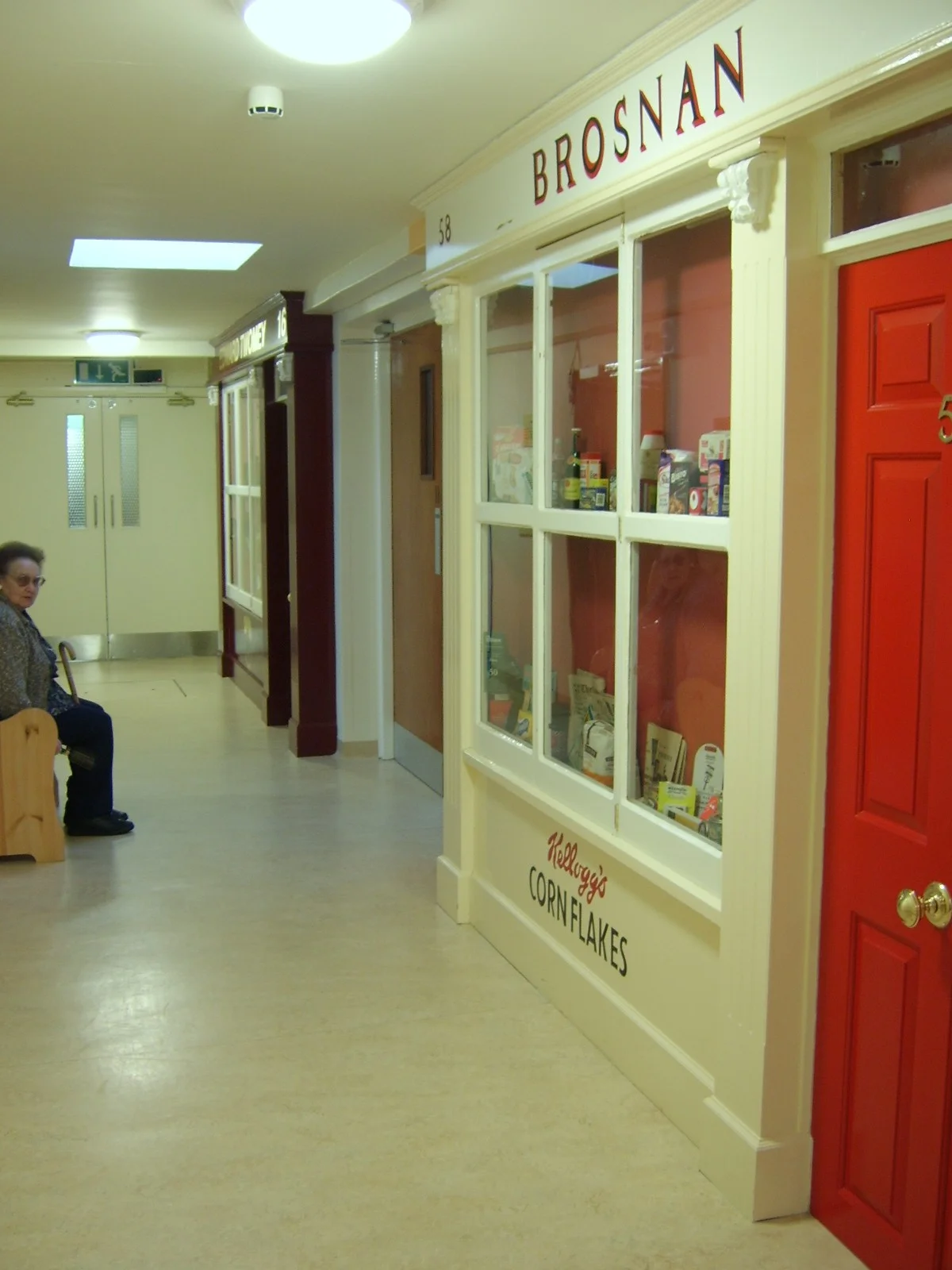
Dementia Care Unit
This was a long hall offering no directional information. For the patients, this recreation of the village in which they had lived, served as a calming and somewhat familiar environment.
Each healthcare setting has unique patients with needs. Change the environment, and they benefit - as do the staff and families.
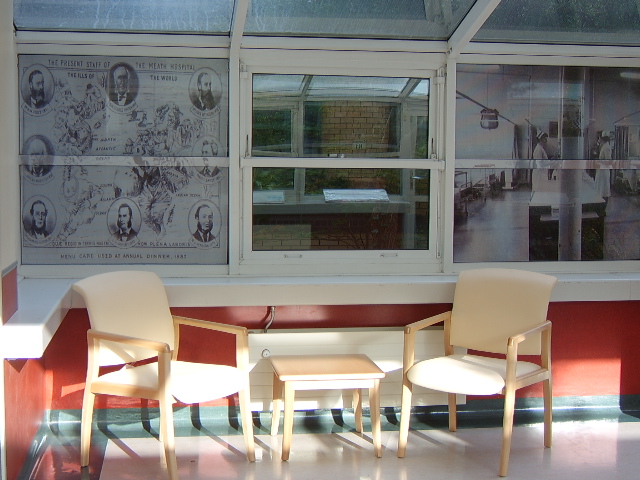
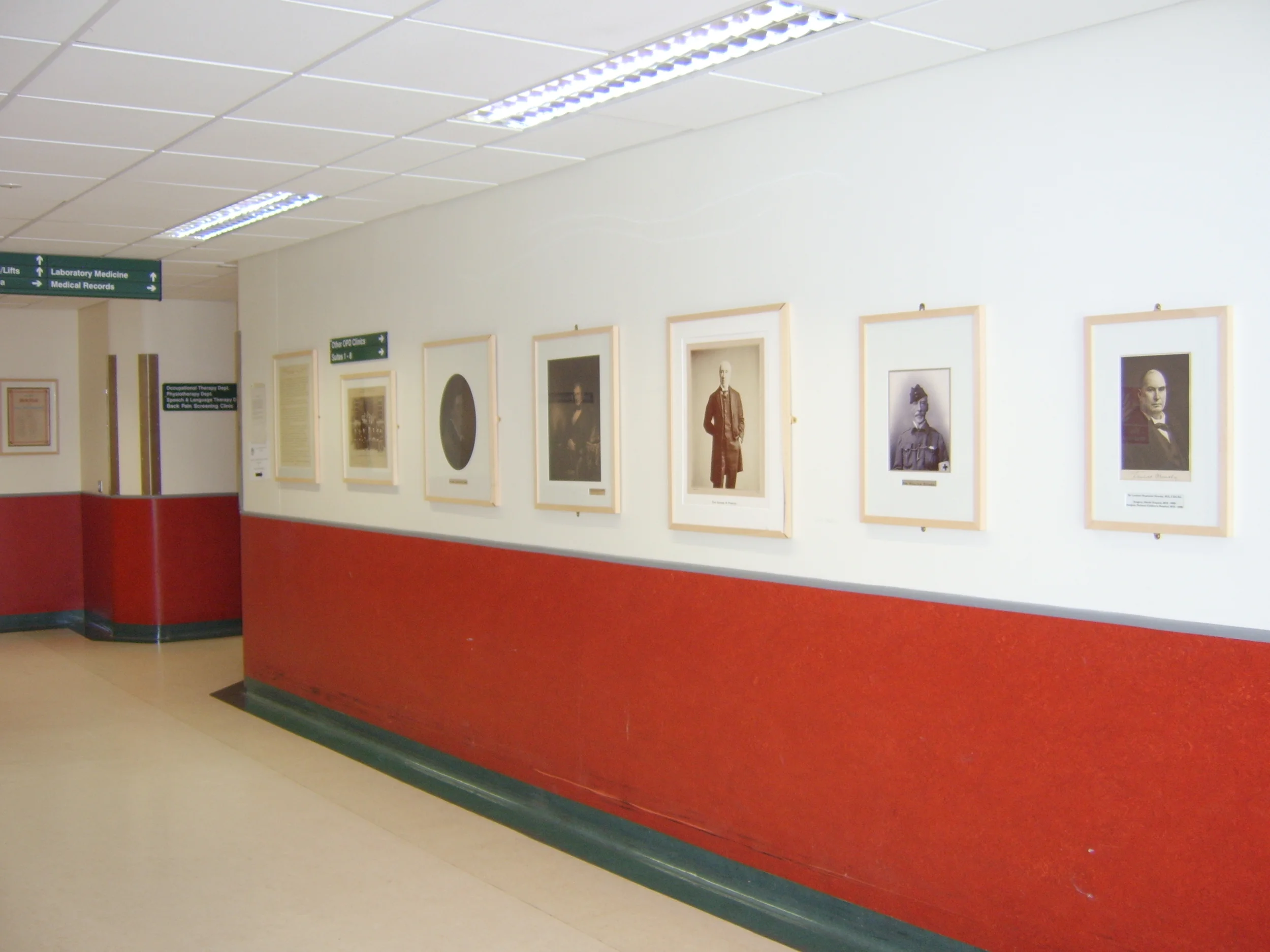
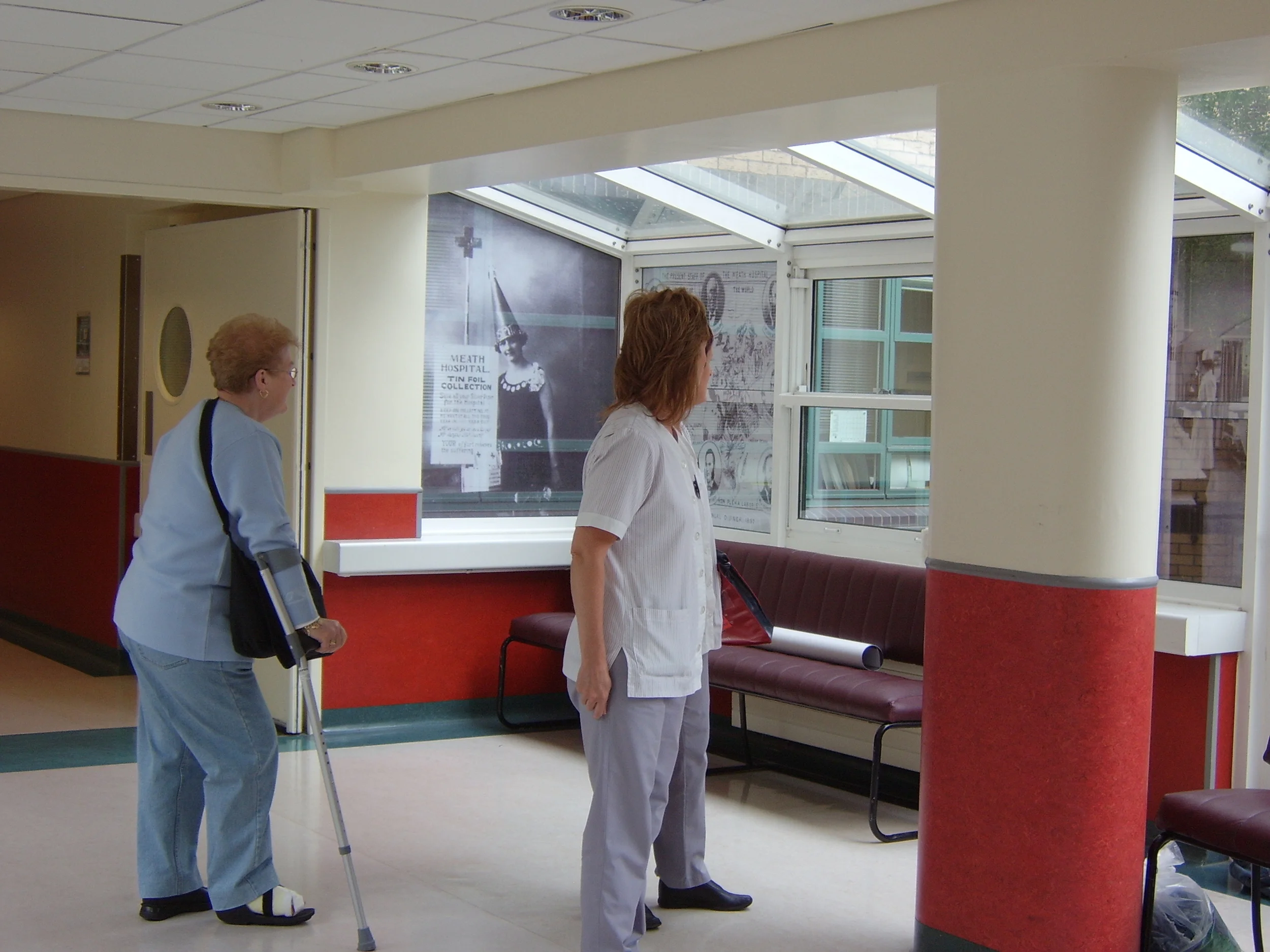
Making use of history in wayfinding
This hallway ran a third of a mile throughout the hospital. Each alcove, of which there were sixteen were identical and placed in pairs directly opposite each other. This caused confusion for visitors and patients. Along one wall, we intermittently placed images from the hospital's historical photographs. Along the other wall, we placed artwork. This helped with wayfinding, offered opportunities to engage with one another, and rest stations.